
If you are planning to visit both Tibet and Nepal in 2026, you do not need to cancel your trip because of the recent disaster at Gyirong.
But I would change the way you connect the two places.
For now, I recommend flying between Lhasa and Kathmandu rather than planning your trip around the Gyirong land crossing. The road into the disaster area has been restored enough for rescue and recovery work, but this does not mean that Gyirong Port has reopened for normal tourist border crossings.
If your travel dates are fixed, I would make the flight the main plan and keep the overland route as an option for later.
1. Tibet Nepal Trip at a Glance
The usual overland journey between Tibet and Nepal goes through Gyirong Port, following the Sino-Nepal Friendship Highway from the Tibetan plateau toward the Nepal border.
That route is currently affected by the August 26 disaster.
The practical alternative is to fly directly between Lhasa and Kathmandu. The flight takes around one and a half hours, compared with several days on the road.
| Option | Current Situation | Best For |
|---|---|---|
| Lhasa → Kathmandu by flight | Direct flights currently scheduled | Travelers with fixed dates |
| Kathmandu → Lhasa by flight | Direct flights currently scheduled | Travelers entering Tibet from Nepal |
| Lhasa → Gyirong → Nepal by road | Tourist crossing should not be assumed available | Future trips after official reopening |
| Kathmandu → Gyirong → Lhasa by road | Tourist crossing should not be assumed available | Future trips after official reopening |
For most travelers planning a Tibet Nepal trip now, air travel is the more predictable choice.
2. Gyirong Port Current Situation After the August 26, 2026 Disaster
On August 26, a major glacier-related disaster struck the border area between Nepal and Tibet.
A large ice-and-rock collapse on the Nepal side triggered destructive flooding and debris movement through the Himalayan valleys. The disaster reached the Gyirong area and caused serious damage to roads, bridges, buildings and other infrastructure.
Gyirong is particularly important because it is one of the main land connections between Tibet and Nepal.
That is why the news has caused so much uncertainty for travelers who had planned a Lhasa to Kathmandu trip or Kathmandu to Lhasa trip by road.
Is Gyirong Port open now?
You should not plan on using Gyirong Port as a normal tourist border crossing at present.
There is an important difference between the road reopening and the border reopening.
On September 2, Chinese authorities reported that access along the damaged G216 national highway into the core Gyirong disaster area had basically been restored. The road is being used to bring rescue teams, equipment and supplies into the affected area.
That is good news for the recovery work.
It does not mean that international tourists can simply drive to Gyirong Port and cross into Nepal.
Following the disaster, China’s National Immigration Administration announced the suspension of electronic border-area permit issuance in the affected Shigatse area and advised people not to travel into the disaster zone while recovery and risk assessment continued.
So if you see an update saying that the road to Gyirong has reopened, read it carefully.
Road access for rescue and recovery is not the same thing as reopening the international border to tourists.
For trip planning, this is the distinction that matters.
What about the Gyirong Bridge?
The bridge and border facilities were directly affected by the disaster, and the wider area still requires recovery work.
I would therefore not make a Tibet Nepal itinerary dependent on a particular reopening date unless an official announcement confirms that international tourist crossings have resumed.
There is no benefit in booking several hotels and a fixed international flight around a border opening that has not yet been announced.
3. How to Travel between Tibet and Nepal
There are normally two ways to travel between Tibet and Nepal:
- Overland through Gyirong
- By air between Lhasa and Kathmandu
Under normal conditions, the overland journey is one of the most interesting ways to connect the two countries.
Right now, however, the two options are very different.
Travel Overland along the Sino-Nepal Friendship Highway and Bridge
Before the current disruption, a typical overland route looked like:
Lhasa → Shigatse → Tingri → Everest region → Gyirong → Nepal → Kathmandu
Coming in the opposite direction, travelers could follow the route from Kathmandu through the Nepal Himalayas, cross at Gyirong and continue toward Lhasa.
The attraction is easy to understand.
You spend days on the road rather than hours in an airplane. The landscape changes gradually from the high Tibetan plateau around Lhasa and Shigatse to the enormous Himalayan mountains around Tingri and Everest, before the road drops toward the greener valleys of Nepal.
On a map, Kathmandu and Gyirong do not look very far apart. In the Himalayas, distance is only part of the story. Mountain roads, weather, road repairs and border procedures all affect the actual travel time.
From Lhasa to Gyirong, the road distance is roughly 800 km, while Gyirong is roughly 160 km from Kathmandu. A normal tourist itinerary therefore takes several days rather than one long day of driving.
It is a route I would still recommend when it is officially open and safe.
I just would not use it as the basis for a 2026 trip at the moment.
What about Zhangmu Port?
Zhangmu is the older Tibet–Nepal crossing and is sometimes suggested online as an alternative to Gyirong.
I would be careful with this advice.
Zhangmu is not simply a spare border crossing that you can switch to whenever Gyirong is unavailable. Road conditions, border controls and current access arrangements all need to be confirmed before using it.
If an itinerary you find online tells you to replace Gyirong with Zhangmu, check when that information was published.
A pre-August 26, 2026 itinerary may no longer describe the route you can actually travel.
Fly over the Himalayas: Lhasa to Kathmandu and Kathmandu to Lhasa
For travelers who want to see both Tibet and Nepal now, flying is much simpler.
The direct distance between Lhasa and Kathmandu is about 570 km, and the scheduled flying time is around one and a half hours.
You do not get the slow change of scenery that makes the overland journey special.
But you also do not have to depend on a mountain border crossing that is currently under recovery.
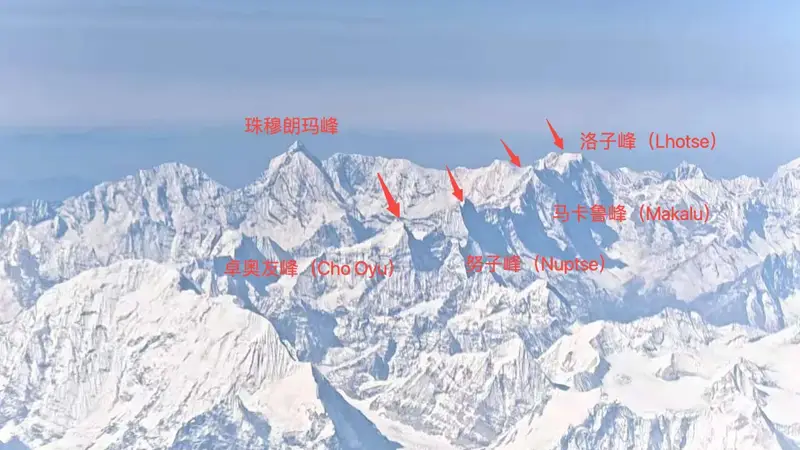
Lhasa to Kathmandu Flight
Direct service between Lhasa and Kathmandu is currently scheduled by Himalaya Airlines.
The Lhasa–Kathmandu service is operated as H9775, with current schedules showing regular direct flights. Flight times are generally around 1 hour 35 minutes to 1 hour 40 minutes, although the exact schedule can change.
Kathmandu to Lhasa Flight
The reverse route is operated as H9774.
Current schedules show a direct Kathmandu–Lhasa service with a flying time of roughly 1 hour 20 minutes.
There is also a time-zone difference to remember: Lhasa is 2 hours 15 minutes ahead of Kathmandu.
That can make the arrival time on your ticket look surprising if you are not expecting it.
Tibet Nepal Flight Information
Airline schedules and ticket prices change, so I would not use a fixed fare as part of your trip budget until you check your actual travel date.
| Route | Airline | Flight | Distance | Duration | Frequency |
|---|---|---|---|---|---|
| Lhasa → Kathmandu | Himalaya Airlines | H9775 | ~573 km | ~1h 35–40m | Regular direct service |
| Kathmandu → Lhasa | Himalaya Airlines | H9774 | ~573 km | ~1h 20m | Regular direct service |
For the exact fare, baggage allowance and departure time, check the airline or booking system for your travel date before confirming the rest of the itinerary.
4. Why I Would Fly Right Now
If someone asked me today how I would plan a Tibet Nepal Trip, my answer would be simple:
I would fly.
That does not mean the overland route is no longer worthwhile. It means that the border situation is currently uncertain, while your holiday probably is not.
If you have 10, 12 or 15 days for the trip, losing several days because a border crossing has not reopened can change the whole itinerary.
Flying also makes it easier to separate the two parts of the trip.
For example:
Kathmandu → Lhasa → Tibet tour → Lhasa → Kathmandu
You can spend your Tibet days actually traveling in Tibet instead of leaving several days available for an uncertain border crossing.
If your main reason for choosing the overland route was the journey itself, rather than simply getting from Tibet to Nepal, that is different. In that case, I would wait until the Gyirong route is officially open again.
The choice depends on what you want from the trip.
If you want to experience the road, wait. If you mainly want to experience both Tibet and Nepal in one holiday, fly.
5. Practical Advice for Your Tibet Nepal Trip
Give yourself time to acclimatize in Lhasa
This is especially important if you fly from Kathmandu to Lhasa.
Kathmandu is around 1,400 meters above sea level. Lhasa is about 3,650 meters.
The jump is significant.
I would not recommend landing in Lhasa and immediately starting a demanding high-altitude road trip.
Give yourself a few days to settle in. Keep the first part of your itinerary relatively easy, especially if this is your first time at high altitude.
If you are continuing to Everest Base Camp, the acclimatization plan becomes even more important.
Do not put your international flight immediately after a long road journey
Even when the Gyirong route is operating normally, I prefer leaving some breathing room between a long overland journey and an international flight.
Mountain travel does not always follow the timetable on your itinerary.
A more comfortable arrangement is:
Tibet tour → Lhasa → Kathmandu → 1–2 nights in Kathmandu → international flight home
This gives you some flexibility if the Lhasa–Kathmandu flight changes or your Tibet itinerary runs late.
Check your Tibet permits before buying everything separately
A flight ticket does not by itself give you permission to travel in Tibet.
Foreign travelers need the appropriate Tibet travel documents, and the exact permits depend on the itinerary.
If you are entering Tibet from Nepal, the visa and entry process also needs to be planned correctly.
This is one reason I recommend deciding your Tibet route first, then arranging the flights around it.
Be careful with old information
This is particularly important after a natural disaster.
A page saying:
“Kathmandu to Gyirong by road”
may have been perfectly accurate a few months ago.
It does not necessarily tell you what is possible today.
Check the publication or update date, especially when the page discusses:
- Gyirong Port
- Gyirong Border
- Zhangmu
- Tibet–Nepal road travel
- border crossing procedures
For a late-2026 trip, current information matters more than a beautiful itinerary published before the disaster.
Leave room for changes
If you are traveling to Tibet and Nepal this year, I would keep the itinerary flexible enough to accommodate changes in flights, road conditions or border regulations.
That does not mean you need an empty week.
It simply means not making every part of the trip depend on one connection working perfectly.
6. Three Practical Ways to Plan a Tibet Nepal Trip in 2026
Option 1: Kathmandu → Lhasa → Tibet → Kathmandu
This is the option I would recommend to travelers who want to see both places without depending on the land border.
You can spend time in Kathmandu first, fly to Lhasa, acclimatize and then travel through Tibet.
After finishing the Tibet itinerary, fly back to Kathmandu and continue your Nepal trip.
Option 2: Chinese Gateway Cities → Lhasa → Tibet → Kathmandu
This works well if Tibet is the main purpose of your trip.
You can start in Chinese Mainland, travel through Tibet and finish in Kathmandu by direct flight.
For example:
Lhasa → Shigatse → Everest Base Camp → Lhasa → Kathmandu
The exact route depends on your interests and the number of days available.
Option 3: Wait for the Gyirong land crossing
If the overland journey is the most important part of your trip, waiting may make sense.
I would monitor official announcements rather than relying on travel forums or old tour pages.
Once the border is officially reopened for tourists and the road conditions are considered safe, the overland route can be reconsidered.
7. Tibet Nepal Trip FAQs
Can I travel from Tibet to Nepal by road now?
Do not assume that you can. The road into the Gyirong disaster area has been restored for rescue and recovery work, but that is not the same as the international tourist border reopening.
Is Gyirong Port open now?
Normal tourist border crossing should not be assumed to be available. The disaster seriously affected the area, and recovery and official border arrangements are still being dealt with.
Can I still do a Tibet Nepal Trip in 2026?
Yes. The practical solution at present is to connect Tibet and Nepal by air.
Is the Lhasa to Kathmandu flight operating?
Yes. Direct Lhasa–Kathmandu service is currently scheduled, including Himalaya Airlines flight H9775.
Is Kathmandu to Lhasa flight operating?
Yes. Direct Kathmandu–Lhasa service is currently scheduled, including Himalaya Airlines flight H9774.
How long is the Lhasa to Kathmandu flight?
The direct flight is roughly 1 hour 35 minutes to 1 hour 40 minutes, covering about 573 km.
How long is the Kathmandu to Lhasa flight?
The direct flight is roughly 1 hour 20 minutes, depending on the current schedule.
How far is Lhasa from Kathmandu by road?
The overland route is much longer than the direct flight. Lhasa to Gyirong is roughly 800 km by road, and Gyirong is around 160 km from Kathmandu. A normal overland journey therefore takes several days.
Can I use Zhangmu instead of Gyirong?
Do not assume so. Zhangmu is the older Tibet–Nepal crossing, but its availability and road conditions need to be confirmed for your actual travel date.
Can I still visit Everest Base Camp in Tibet?
The Gyirong disaster does not automatically mean that the Tibet Everest Base Camp route is closed. Everest is reached through Tibet’s internal road network, and the route should be checked separately for current road and permit conditions.
Which is better, Lhasa to Kathmandu or Kathmandu to Lhasa?
Both directions can work by air.
The more important question is how you handle altitude. If you fly from Kathmandu directly to Lhasa, you move from roughly 1,400 meters to 3,650 meters in a very short time, so proper acclimatization is important.
Should I wait for Gyirong Port to reopen?
If the overland journey itself is your main goal and your dates are flexible, you can wait and monitor the situation.
If you have fixed vacation dates and simply want to experience both Tibet and Nepal, I would not wait. I would fly.
When will Gyirong Port reopen?
There is currently no reliable reopening date that I would use to build a travel itinerary around.
The restoration of road access is an important step in the recovery, but it should not be interpreted as an announcement that normal international tourist crossings have resumed.
My Advice
The Gyirong disaster has changed the practical way to travel between Tibet and Nepal, but it has not stopped you from visiting both.
If you were hoping to cross the Himalayas by road, I understand why you may want to wait. That route is worth doing when it is safe and officially open.
For travelers with fixed dates, however, I would not leave the trip hanging on a border reopening.
Plan the Tibet Nepal Trip by air for now.
Fly between Lhasa and Kathmandu, allow enough time for altitude acclimatization, and keep some flexibility in your schedule. If Gyirong Port officially reopens before your trip and the overland route is safe, you can always reconsider.
If you already have your travel dates, I can help you compare a Lhasa–Kathmandu trip, Kathmandu–Lhasa trip, or an itinerary that includes Everest Base Camp or Mount Kailash.
TibetTrip can help you understand the route, compare options and plan the itinerary. If you decide to book, your enquiry is introduced to our licensed Tibet operating partner, who handles the formal booking, permits and on-the-ground operation.