
If you are waiting for your Tibet Travel Permit right now, the latest update is important: applications can continue, but new approvals for itineraries involving Shigatse and Ngari (Ali) are currently being adjusted.
This information comes from the latest travel-industry notice shared with TibetTrip. It does not mean that all Tibet Travel Permit applications have stopped.
For travelers, the practical question is whether your permit has already been issued and whether your itinerary includes an affected area.
What is confirmed?
A recent National Immigration Administration announcement confirmed that the issuance of electronic border-management passes for the Shigatse area has been temporarily suspended following the Gyirong landslide.
The announcement does not say that Tibet Travel Permit applications for all travelers have been suspended.
The latest travel-industry notice received by TibetTrip provides additional information about how new permit approvals are currently being handled.
Because this part of the information comes from a travel-industry notice rather than a public government announcement, travelers should treat the approval scope as subject to change.
If your Tibet Travel Permit has already been issued
If your Tibet Travel Permit has already been issued, the latest notice says that you can continue with your original itinerary.
That does not mean you should ignore the situation around Gyirong or other affected areas. Border access, roads and local travel conditions can change independently of your permit.
Before departure, your travel operator should confirm that your actual route remains possible.
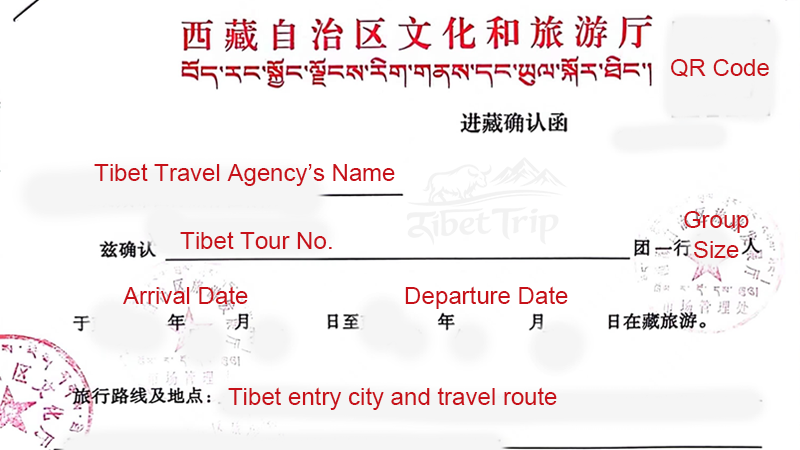
If you are still waiting for your permit
This is where the latest adjustment matters most.
According to the travel-industry notice, new permit applications can continue, but current approvals do not include itineraries involving Shigatse and Ngari (Ali).
This is particularly relevant if your planned trip includes:
- Everest Base Camp
- Mount Kailash
- Lake Manasarovar
- Ngari (Ali)
- Gyirong
- Other destinations in the affected areas
If your trip is built around one of these destinations, do not assume that your original itinerary will be approved unchanged.
What can you do now?
There are three practical options.
1. Change your itinerary
If your main goal is to visit Tibet rather than one specific destination, you may be able to adjust the route toward areas that are currently available for travel, depending on the latest approval situation.
For example, travelers may consider Lhasa, Nyingchi or Shannan if those destinations fit their interests and current permit conditions.
The exact route should be confirmed before you make changes.
2. Postpone the trip
If Everest Base Camp, Mount Kailash or Ngari is the main reason for your Tibet trip, postponing may be the better choice.
There is little reason to replace the destination you have traveled a long way to see simply because the permit situation changed shortly before departure.
Waiting for the relevant areas to reopen may make more sense.
3. Cancel the itinerary
If changing the route or postponing does not work for you, cancellation may be necessary.
The latest notice indicates that hotel and flight losses may be canceled without charge where applicable. However, cancellation terms can vary by booking, so travelers should confirm the actual arrangements with the company handling their bookings rather than assuming every reservation has the same policy.
Does this mean Tibet Travel Permit applications are suspended?
No.
This is the most important distinction.
The latest information does not indicate a complete suspension of Tibet Travel Permit applications.
Instead, the approval scope for new itineraries has been adjusted, with Shigatse and Ngari currently excluded according to the travel-industry notice shared with TibetTrip.
That situation may change as local conditions and access restrictions are reviewed.
What should foreign travelers do now?
If you are planning to travel to Tibet in the coming weeks and your itinerary includes Everest, Kailash, Ngari or Gyirong, do not rely on old permit information.
Send your intended travel dates and route to your Tibet travel planner and ask them to check the current approval situation before you finalize your itinerary or make non-refundable bookings.
At TibetTrip, my role is to help travelers understand the latest rules, compare route options and adjust their plans.
The actual Tibet Travel Permit application and on-the-ground travel arrangements are handled by the licensed Tibet operating partner, in accordance with the applicable regulations.
One practical point
A Tibet itinerary is not simply a list of destinations.
For an international traveler, the route, permit approval, border access and transportation arrangements need to work together.
If one part changes, the rest of the itinerary may need to change with it.
For now:
- Already have your permit? Check your specific route before departure.
- Still waiting for approval? Be prepared to modify, postpone or cancel an itinerary involving Shigatse or Ngari.
- Entering from Nepal? Check the latest Gyirong border situation before changing flights or hotels.
TibetTrip will continue to follow the situation and update this article when there is a confirmed change.
Source Note
This article is based on the latest travel-industry notice provided to TibetTrip on September 1, 2026, together with publicly available government information concerning the Gyirong landslide and Shigatse border-management restrictions.
The permit-approval information described above comes from the travel-industry notice rather than a public government announcement. Travelers should therefore confirm the latest situation before making non-refundable travel arrangements.