Tibet Travel Guide: Plan Your 2026 Tibet Trip
Planning a trip to Tibet involves more than choosing where you want to go. You also need to understand Tibet Travel Permits, entry requirements, altitude, transportation, travel seasons, realistic itineraries, distances, and local travel conditions.
This Tibet Travel Guide brings together the practical information you need to plan a trip to Tibet as an international traveler.
I’m Metok, a Tibetan born and raised in Tibet. I run TibetTrip to help international travelers plan their trips with practical local knowledge.
You do not need to read everything at once. Start with the section that answers your immediate question, then use the destination and route guides to build your itinerary.
🔥 Start Here: Planning a Tibet Trip
If this is your first trip to Tibet, start with these questions before choosing a route or booking a tour.
| If you want to know… | Start with… |
|---|---|
| Can foreigners travel to Tibet? | Tibet Travel for Foreigners |
| What permits do I need? | Tibet Travel Permit |
| Do I need a Chinese visa? | China Visa & Tibet Entry Requirements |
| When should I visit? | Best Time to Visit Tibet |
| How do I get to Tibet? | Tibet Trains & Flights |
| How should I prepare for the altitude? | Tibet Altitude & Acclimatization |
| What places should I visit? | Tibet Destinations & Regions |
| How many days do I need? | Tibet Itineraries |
| How much does a Tibet trip cost? | Tibet Travel Costs & Budget |
Tibet Travel Essentials
Before choosing a route, it helps to understand the practical side of traveling in Tibet.
Tibet Travel Permit: International travelers generally need a Tibet Travel Permit to enter Tibet. The application is arranged through an authorized Tibet travel agency, and the required documents and processing time depend on your itinerary and travel circumstances. Learn what the permit is, who needs it, when it is required, and how it fits into your Tibet travel arrangements.
Tibet Entry Requirements: Entry requirements for international travelers can depend on nationality, visa status, entry route, and the destinations included in your itinerary. Requirements can change, so check the latest applicable information before departure.
Best Time to Visit Tibet: Tibet can be visited in different seasons, but the best time depends on where you want to go and what you want to see. Weather, temperature, road conditions, visibility, tourism levels, and access to remote areas can all affect your travel dates.
Tibet Altitude & Acclimatization: Altitude is one of the main practical considerations when planning a Tibet trip. Lhasa is around 3,650 meters above sea level, while destinations such as Everest Base Camp and Mount Kailash are considerably higher. A sensible itinerary should allow enough time to adjust before traveling to higher areas.
How to Get to Tibet: Most international travelers reach Tibet through Chinese Mainland cities or via Kathmandu, Nepal, depending on their travel arrangements and current entry requirements. Flights and trains offer different travel times and experiences, so your best option depends on your itinerary.
Tibet Travel Costs: The cost of a Tibet trip depends on the route, number of travelers, accommodation, transportation, travel season, and whether you choose a group or private tour. Instead of relying on one average price, it is more useful to understand what is included in the cost and which parts of the trip usually make the biggest difference.
Explore Tibet’s Icons: Top 10 Must-See Attractions
From Lhasa and Everest Base Camp to the high-altitude lakes and valleys of Western Tibet, each part of Tibet offers a different travel experience. Our guides focus on what you need to know before you go, including routes, altitude, travel time, permits and practical planning.
Potala Palace
The majestic winter residence of the Dalai Lamas and the symbol of Tibet.
Jokhang Temple
The spiritual heart of Tibet and a UNESCO World Heritage site.
Barkhor Street
The sacred heart of old Lhasa, where ancient pilgrimage meets a vibrant local bazaar.
Sera Monastery
Home to the famous and lively daily debates among Tibetan monks.
Yamdroktso Lake
A sacred sanctuary winding through the mountains, known for its coral-like shape and shimmering turquoise hues.
Everest Base Camp (EBC)
Where the Tibetan plateau meets the world’s highest peak.
Tashilhunpo Monastery
The historic seat of the Panchen Lamas, boasting the world’s largest gilded statue.
Lake Namtso
The “Heavenly Lake,” famous for its crystal-blue water and snow-capped backdrop.
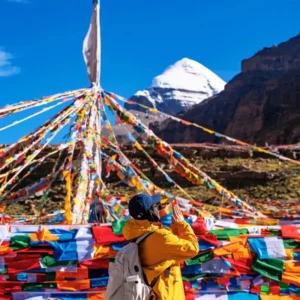
Mount Kailash
The “Center of the World,” a sacred peak for four major religions.
Lake Mansarovar
The sacred waters beneath the shadow of Mount Kailash.
Plan Your Tibet Trip by Region
Ngari (Western Tibet): The remote land of Mount Kailash, Lake Mansarovar and the far west of Tibet.
Ngari is in western Tibet and includes some of the region’s most remote and high-altitude destinations. This is where you will find Mount Kailash and Lake Manasarovar. Travel in Ngari usually requires more preparation because of the long distances, high altitude, road conditions, and limited services in remote areas.
Lake Mansarovar Mystery: Discover Secrets in Mansarovar Yatra 2026
Lake Mansarovar Mystery: Discover the secrets behind Tibet's holy lake, revered by multiple religions for its spiritual power, healing waters, and ancient legends.
Read MoreKailash Parikrama 2026 in Horse Year: Kailash Outer & Inner Kora and Charan Sparsh
Experience Kailash Parikrama in Horse Year 2026. Join Kailash outer, inner kora, or Charan Sparsh for spiritual blessings and a life-changing pilgrimage.
Read MoreShigatse (Tsang): Home to Everest and Historic Monasteries
Shigatse is an important stop on routes toward Everest Base Camp and western Tibet. It is also home to Tashilhunpo Monastery, one of the major monasteries in Tibet.
Mount Everest Scenic Area Temporarily Closed to the Public from January 7, 2025
Everest Scenic Area Closure: Due to a 6.8 earthquake, Everest Scenic Area is closed from Jan 7, 2025, for safety checks. Reopening updates will follow soon. Stay safe!
Read More2025.1.7: Tibet Earthquake in Shigatse and Dingri – 6.8 Magnitude
Tibet Earthquake 2025: A 6.8-magnitude earthquake struck Shigatse Dingri on Jan 7, 2025, causing casualties and damage. Rescue efforts are ongoing.
Read MoreLhasa & Environs: The Cultural and Political Soul
Lhasa is where most Tibet trips begin. It is also an important place to acclimatize before traveling to higher destinations. The city is home to the Potala Palace, Jokhang Temple, Barkhor Street, and several important monasteries. Allowing enough time in Lhasa before moving to higher areas can make the rest of your trip more comfortable.
How to Plan a Tibet Trip from Xi’an
Planning a Tibet trip from Xi'an? Compare Xi'an–Lhasa trains and flights, Xining connections, permits, costs, best seasons and practical Tibet travel advice.
Read MoreGyirong Mudslide: Latest News & Gyirong Port Travel Update
Latest Gyirong Mudslide news from August 26, 2026. Gyirong Port access is temporarily restricted. See the latest updates and advice for Tibet Nepal Tour travelers.
Read MoreHow to Plan a Tibet Trip from Xining
Planning a Tibet trip from Xining? Compare the Xining–Lhasa train, flights and G109 Qinghai-Tibet Highway, plus permits, costs and practical 2026 advice.
Read MoreQinghai-Tibet Railway: Complete Train Guide, Facts, Map, Scenery & Travel Tips
Qinghai-Tibet Railway guide with route, map, altitude, history, ticket prices, oxygen, scenery, sleeper tips and how to travel to Lhasa by train.
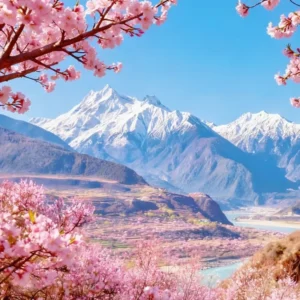
Read MoreNyingchi (Eastern Tibet): The “Switzerland of Tibet” with lush forests and peach blossoms
Nyingchi has a different landscape from the high plateau around Lhasa and western Tibet, with forests, rivers, alpine lakes, and lower-elevation valleys. The region is also known for its spring peach blossoms.
How to Plan a Tibet Trip from Xi’an
Planning a Tibet trip from Xi'an? Compare Xi'an–Lhasa trains and flights, Xining connections, permits, costs, best seasons and practical Tibet travel advice.
Read MoreGyirong Mudslide: Latest News & Gyirong Port Travel Update
Latest Gyirong Mudslide news from August 26, 2026. Gyirong Port access is temporarily restricted. See the latest updates and advice for Tibet Nepal Tour travelers.
Read MoreHow to Plan a Tibet Trip from Xining
Planning a Tibet trip from Xining? Compare the Xining–Lhasa train, flights and G109 Qinghai-Tibet Highway, plus permits, costs and practical 2026 advice.
Read MoreQinghai-Tibet Railway: Complete Train Guide, Facts, Map, Scenery & Travel Tips
Qinghai-Tibet Railway guide with route, map, altitude, history, ticket prices, oxygen, scenery, sleeper tips and how to travel to Lhasa by train.
Read MoreShannan (Lhoka): The Birthplace of Tibetan Civilization
Shannan is closely connected with the early history of Tibetan civilization. Important sites include Samye Monastery, Yumbulagang, and Yamdrok Lake..
How to Plan a Tibet Trip from Xi’an
Planning a Tibet trip from Xi'an? Compare Xi'an–Lhasa trains and flights, Xining connections, permits, costs, best seasons and practical Tibet travel advice.
Read MoreGyirong Mudslide: Latest News & Gyirong Port Travel Update
Latest Gyirong Mudslide news from August 26, 2026. Gyirong Port access is temporarily restricted. See the latest updates and advice for Tibet Nepal Tour travelers.
Read MoreHow to Plan a Tibet Trip from Xining
Planning a Tibet trip from Xining? Compare the Xining–Lhasa train, flights and G109 Qinghai-Tibet Highway, plus permits, costs and practical 2026 advice.
Read MoreQinghai-Tibet Railway: Complete Train Guide, Facts, Map, Scenery & Travel Tips
Qinghai-Tibet Railway guide with route, map, altitude, history, ticket prices, oxygen, scenery, sleeper tips and how to travel to Lhasa by train.
Read MoreChamdo: The Rugged Gateway to Khampa Culture
Chamdo covers a large area in eastern Tibet and is less commonly included in first-time Tibet itineraries. It is better suited to travelers who have more time and want to explore beyond the classic Lhasa–Shigatse–Everest routes.
How to Plan a Tibet Trip from Xi’an
Planning a Tibet trip from Xi'an? Compare Xi'an–Lhasa trains and flights, Xining connections, permits, costs, best seasons and practical Tibet travel advice.
Read MoreGyirong Mudslide: Latest News & Gyirong Port Travel Update
Latest Gyirong Mudslide news from August 26, 2026. Gyirong Port access is temporarily restricted. See the latest updates and advice for Tibet Nepal Tour travelers.
Read MoreHow to Plan a Tibet Trip from Xining
Planning a Tibet trip from Xining? Compare the Xining–Lhasa train, flights and G109 Qinghai-Tibet Highway, plus permits, costs and practical 2026 advice.
Read MoreQinghai-Tibet Railway: Complete Train Guide, Facts, Map, Scenery & Travel Tips
Qinghai-Tibet Railway guide with route, map, altitude, history, ticket prices, oxygen, scenery, sleeper tips and how to travel to Lhasa by train.
Read MoreNagqu: The Vast Northern Grasslands Home to Nomadic Life
Nagqu covers much of northern Tibet and is known for high-altitude grasslands, lakes, and nomadic landscapes. Travel in this region requires careful planning because of the elevation and long distances between settlements.
How to Plan a Tibet Trip from Xi’an
Planning a Tibet trip from Xi'an? Compare Xi'an–Lhasa trains and flights, Xining connections, permits, costs, best seasons and practical Tibet travel advice.
Read MoreGyirong Mudslide: Latest News & Gyirong Port Travel Update
Latest Gyirong Mudslide news from August 26, 2026. Gyirong Port access is temporarily restricted. See the latest updates and advice for Tibet Nepal Tour travelers.
Read MoreHow to Plan a Tibet Trip from Xining
Planning a Tibet trip from Xining? Compare the Xining–Lhasa train, flights and G109 Qinghai-Tibet Highway, plus permits, costs and practical 2026 advice.
Read MoreQinghai-Tibet Railway: Complete Train Guide, Facts, Map, Scenery & Travel Tips
Qinghai-Tibet Railway guide with route, map, altitude, history, ticket prices, oxygen, scenery, sleeper tips and how to travel to Lhasa by train.
Read MoreTibet Itineraries
The right itinerary depends on how many days you have and how far you want to travel. For a first trip, trying to cover every major destination is usually not a good idea. Long driving days and rapid changes in altitude can make an ambitious itinerary tiring.