
Kailash Mansarovar Yatra 2026
A practical guide to Mount Kailash, Lake Mansarovar, the Kailash Kora, routes, permits and Yatra planning.
The Kailash Mansarovar Yatra takes you to one of the most remote and high-altitude regions of Tibet. For pilgrims, the journey centers on Mount Kailash, Lake Mansarovar and the sacred circumambulation, or kora, around the mountain.
Mount Kailash is located in Ngari Prefecture in western Tibet. The standard Outer Kora is about 52 km and is normally completed over three days, with the highest point at Dolma La Pass at around 5,630 m.
I’m Metok, a Tibetan born and raised in Tibet. I run TibetTrip to help international travelers understand the Kailash routes, prepare for the altitude and logistics, and choose a Yatra that fits their time and travel plans.
For confirmed bookings, TibetTrip introduces enquiries to a licensed Tibet operating partner who handles the travel contract, payment, permits and on-the-ground operation.
Kailash Mansarovar Yatra Packages
There is no single Kailash itinerary that works for every traveler. The right route depends on where you start, how much time you have, how you want to enter Tibet, and whether you want to return to Lhasa or continue toward Nepal.
Here are the main Kailash Yatra options currently available through our operating partner.
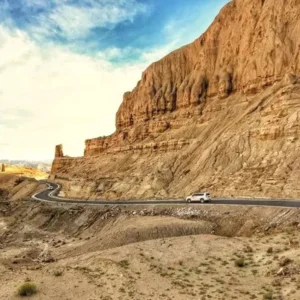
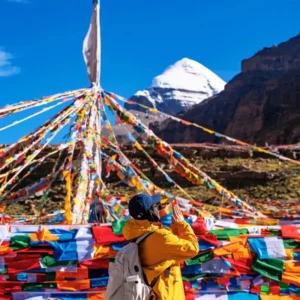


What to Expect on a Kailash Mansarovar Yatra
✅ Routes Designed Around Acclimatization:
Most Lhasa-based itineraries travel gradually toward Darchen, with time in Lhasa and other high-altitude areas before the kora. Kathmandu-based routes enter Tibet through Gyirong and follow a different acclimatization pattern.
✅ The Outer Kora Is the Main Trek:
The standard Kailash Outer Kora is about 52 km and normally takes three days. The route includes Dirapuk Monastery, Dolma La Pass, Gauri Kund and Zutulpuk Monastery.
✅ Different Trekking Options:
The standard three-day kora is the normal choice for international travelers. Shorter or more demanding alternatives may exist, but they should only be considered after understanding the altitude, terrain and current local arrangements.
✅ Small Group or Private Travel:
A small-group Yatra is generally more economical, while a private trip gives you more flexibility over the itinerary and travel pace. The better choice depends on your budget and travel preferences.
✅ Departure Dates:
Kailash travel depends on permits, local arrangements and available departures. Popular periods such as Saga Dawa require earlier planning, and a requested date should not be treated as confirmed until the operating partner confirms the booking.
✅ Required Permits:
Foreign travelers need the required Tibet travel documents to enter Tibet and travel to the Kailash region. Depending on the route and current regulations, this includes the Tibet Travel Permit, Aliens’ Travel Permit and Military Area Entry Permit.
✅ Accommodation:
Accommodation becomes more basic as you travel deeper into western Tibet. Darchen has hotels and guesthouses, while accommodation around the kora can be simple and shared. Expectations should be realistic.
✅ Local Tibetan Guides and Drivers:
Local guides and drivers are important on the Kailash route because they understand the roads, altitude, weather and local travel arrangements. Their role is especially valuable once the journey moves into remote western Tibet.
✅ Yak and Porter Support:
Yak and porter services may be available locally for the kora, depending on current conditions and availability. They can reduce the amount of luggage you need to carry, but they should be treated as optional support rather than something guaranteed in advance.
Kailash Mansarovar Yatra FAQs
Planning a Kailash Mansarovar Yatra involves more than choosing a tour. You need to understand the route, altitude, permits, trekking distance, accommodation, weather and entry arrangements.
These are the questions I think travelers should answer before booking.
Foreign travelers cannot simply apply for all Kailash travel permits independently. The required permits and travel arrangements need to be coordinated through an authorized Tibet travel operator.
TibetTrip can help you understand which documents are required for your route and introduce your enquiry to our licensed Tibet operating partner. The operating partner handles the permit application as part of the confirmed travel arrangement.
You will normally need to provide a clear copy of your passport and the required visa or entry documents well in advance.
2026 is the Year of the Horse in the Tibetan calendar, which is traditionally considered an especially significant year for pilgrimage to Mount Kailash.
For many pilgrims, the Horse Year has particular religious importance. You will also encounter traditional beliefs about increased spiritual merit from completing the kora during this year.
These are religious beliefs rather than something that can be measured or guaranteed. From a travel-planning perspective, the more practical issue is demand: popular dates can be busy, and permits, transport and accommodation require earlier planning.
Timing your journey is crucial for a successful pilgrimage to Western Tibet. The optimal window for visiting Mount Kailash and Lake Manasarovar is from late April to October. During this period, daytime temperatures range from a pleasant 8°C to 15°C, the skies remain remarkably clear, and the high-altitude trekking trails are accessible and safe.
| Month | Conditions | Practical note |
|---|---|---|
| April | Cold, possible snow | Early season |
| May | Warmer, generally clearer | Saga Dawa period can be busy |
| June | Good trekking conditions | Popular season |
| July | Warmer but possible cloud/rain | Good overall period |
| August | Similar summer conditions | Popular |
| September | Cooler, often clearer | Good for trekking |
| October | Cold, especially at night | Late season |
The Most Auspicious Moment: The Saga Dawa Festival
Saga Dawa is one of the most important Buddhist religious festivals in Tibet. At Mount Kailash, pilgrims gather around Tarboche and other sacred sites during this period.
If you want to travel during Saga Dawa, plan earlier than usual. Demand for transport, accommodation and permits can be higher, and conditions on the kora can be busier than during quieter periods.
For international travelers, the main consideration is not only the festival experience but also whether you are comfortable with the additional crowds and limited resources in western Tibet.
No. Mount Kailash is not open to climbing. The mountain is sacred to Hinduism, Buddhism, Jainism and Bon, and visitors travel around it rather than climb it.
For most international pilgrims, the relevant experience is the Kailash Outer Kora, the traditional circumambulation around the mountain.
The Outer Kora of Kailash is a 52 km trek around the holy mountain, typically completed in 3 days, passing through Dolma La Pass at 5,650 m. It is more challenging due to altitude and terrain but offers a deeply spiritual experience.
Distance: 52 km.
Standard Duration: 3 days.
Highest Point: Dolma La Pass (5,630 m)
Difficulty: Requires moderate fitness, proper acclimatization, and preparation.
Route Highlights: Tarboche, Yam Dwar, Gauri Kund
Typical 3-Day Kailash Outer Kora Route:
Day 1: Darchen → Dirapuk Monastery (6 km driving from Darchen; 13 km trekking)
Day 2: Dirapuk Monastery → Dolma La Pass → Zutulpuk Monastery (22 km trekking)
Day 3: Zutulpuk Monastery → Darchen (6.5 km trekking; 4.5 km driving to Darchen)
Tips: Yak porters are recommended for luggage support.
The Kailash Outer Kora is a 52km circuit typically completed in 3 days. The highest point is the Dolma La Pass (5,630m). It is a test of endurance. You will stay in basic guesthouses and can hire local porters or yaks to carry your luggage. The terrain is rocky, and the air is thin, so a slow and steady pace is vital.
3-Day Kailash Trek (Recommended)
Balanced pace, proper acclimatization, overnight stays at Dirapuk and Zutulpuk.
| Day | Route | Approx. difficulty |
|---|---|---|
| Day 1 | Darchen → Dirapuk | Moderate to hard |
| Day 2 | Dirapuk → Dolma La → Zutulpuk | Hardest day |
| Day 3 | Zutulpuk → Darchen | Moderate |
2-Day Kailash Trek
Condensed Outer Kora. Requires good fitness and previous high-altitude experience.
1-Day Kailash Trek
Extremely demanding. Long walking hours at high altitude. Only suitable for very fit pilgrims and not recommended for most travelers.
The Kailash Kora is physically demanding because of the altitude, not simply because of the distance. The route reaches around 5,630 m at Dolma La Pass, and even a normal walking pace can feel difficult at that elevation.
You do not need to be an experienced mountaineer, but you should be reasonably fit and prepared for long days of walking, cold weather and basic conditions.
If you have concerns about high altitude or an existing medical condition, speak with a qualified medical professional before the trip.
The main risks are altitude sickness, cold weather, and exhaustion, not technical climbing. Proper acclimatization, pacing, and local guidance are essential.
Yes. You do not need previous high-altitude trekking experience to complete the standard Kailash Outer Kora. However, the 52 km trek is physically demanding, mainly because of the altitude. The route reaches about 5,630 meters at Dolma La Pass.
For first-time travelers, proper acclimatization and a steady pace are more important than previous trekking experience. Most Lhasa-based itineraries allow several days of gradual travel toward Darchen before the kora, giving your body more time to adjust.
Regular walking, stair climbing or moderate cardio in the 2–3 months before your trip can help build endurance. During the kora, walk slowly, avoid rushing and tell your guide if you feel unwell.
Local horses, yaks or porters may be available depending on current conditions and arrangements, but they should be treated as optional support rather than a way to avoid the physical demands of high altitude.
There is no simple age cutoff that determines whether someone can complete the Kailash Kora. The more important factors are your overall health, fitness and ability to cope with high altitude. The route reaches about 5,630 meters at Dolma La Pass, so the physical demands should not be underestimated.
Travelers in their 60s or older can complete the kora if they are in suitable physical condition, but age itself does not predict how someone will respond to altitude. If you have heart, lung or other medical conditions, or are unsure whether high-altitude trekking is suitable for you, speak with a qualified medical professional before the trip.
For senior travelers, I recommend allowing enough time for acclimatization, walking at a comfortable pace and keeping the itinerary flexible. Local horses, yaks or porters may be available depending on current arrangements and can help reduce the amount of luggage you carry, but they do not remove the physical demands of high altitude.
If you are 60+ and considering the Kailash Kora, the right question is not simply “Am I too old?” but “Am I physically prepared for three days of walking at very high altitude?”
You do not need to be an experienced trekker, but building basic endurance before your trip can make the Kailash Kora much easier. The standard Outer Kora is about 52 km over three days, with the highest point at around 5,630 meters at Dolma La Pass.
In the 2–3 months before your trip, focus on regular walking, hiking, stair climbing or moderate cardio several times a week. If possible, include some uphill walking to prepare your legs for the climbs and descents on the kora.
There is no need to train like a professional athlete. Consistent, moderate exercise is more useful than occasional intense workouts. In the final days before traveling, avoid exhausting yourself and arrive in Tibet well rested.
Once you reach Lhasa, acclimatization becomes more important than physical training. Walk slowly, sleep well and avoid unnecessary exertion during your first days at altitude. If you feel unwell, tell your guide and allow yourself time to rest.
If you have an existing medical condition or are unsure whether high-altitude trekking is suitable for you, speak with a qualified medical professional before your trip.
The Inner Kora of Kailash is a much shorter but highly restricted route (34 km) close to the mountain’s inner slopes. Starting and ending at Darchen, it is a much more difficult trek that leads to the southern face of Mount Kailash and meditates at the Saptarishi Caves (5,800 m). Usually, it can be completed in one day and is suitable for local pilgrims.
According to tradition, the Inner Kora should only be attempted by those who have completed 13 Outer Koras. It requires technical scrambling and is often restricted by authorities for safety reasons.
Distance: 34 km.
Duration: 1 day.
Difficulty: Moderate, accessible to most travelers.
Route Highlights: Serlung Monastery, Saptarishi Caves (Chin Troxum), 13 Golden Chortens, Mt. Yinjietuo (Nandi Parvat), Gyangdrak Monastery
Tips: It requires special approval, is rarely open, and is generally not available to foreign travelers. Due to safety and religious restrictions, it cannot be guaranteed and should not be planned as a standard itinerary.
Kailash Outer Kora (52km): The standard pilgrimage path. Accessible to most healthy trekkers.
Kailash Inner Kora (34km): A high-risk route involving the Khande Sanglam Pass. It is technically demanding and often closed to foreigners due to safety risks and military proximity.
Charan Sparsh means touching the holy feet of Mount Kailash. Typically, pilgrims would trek from Dirapuk Monastery to the North Face and touch Mount Kailash sincerely. It adds 4–5 hours of hiking on unstable scree and ice. While spiritually significant, it is physically demanding and depends entirely on current local authorities and weather conditions. Please contact us regarding the latest access status during your trek.
Yes, yak porter services are available and can be hired at Darchen. Although it cause an additional cost, I still highly recommend it for the 3-day trek.
Yaks: Used primarily for heavy luggage. They are slow but steady.
Horses: Can be hired for those who cannot walk or trek the full distance.
Warning: You must still walk the steep descent from Dolma La Pass on foot, as it is too dangerous to ride down.
Porters: Local Tibetans will carry your daypack (5–7kg).
Booking:
These must be arranged in Darchen the night before the kora starts.
Fees vary depending on weight and distance, and prices are regulated by the local Yak & Horse Association.
Expect to pay roughly 300-700 RMB per day, depending on the service.
Booking in advance is strongly recommended.
Along the 52-km Mount Kailash Kora, there are around 8 supply points where simple Tibetan teahouses, small local restaurants, and guesthouses provide clean, hot, and filling meals. Food options are basic but reliable, designed to help pilgrims stay warm and energized in a high-altitude environment.
Commonly available dishes include Tibetan noodles, instant noodles, noodle soup, curry rice, fried dough bread, steamed buns, boiled eggs, porridge, stir-fried egg rice, Lanzhou-style fried rice, and rice served with potatoes or green peppers. Tibetan sweet tea is widely available and especially popular for keeping warm during rest stops.
For vegetarians, suitable choices are easy to find, such as instant noodles, tsampa (roasted barley flour mixed with tea), plain rice, plain porridge, steamed buns, biscuits, bread, along with sweet tea or butter tea.
You are also encouraged to carry a small supply of personal snacks—such as chocolate, nuts, raisins, biscuits, or instant coffee—for quick energy during the trek. Hot drinking water is generally available free of charge at teahouses and guesthouses along the route.
Overall, while food along the Kailash Kora is simple, it is practical, warming, and sufficient to support the demands of the pilgrimage trek.
Because of the high altitude and harsh environment, accommodation along the Mount Kailash pilgrimage route is limited and basic. These guesthouses are primarily functional shelters rather than traditional hotels.
During the 3-day Kailash trek, overnight stays are arranged as follows:
- Night 1: Guesthouse near Dirapuk Monastery (5,050 m), offering a close-up view of the north face of Mount Kailash.
- Night 2: Guesthouse at Zutulpuk Monastery (4,790 m).
Rooms typically accommodate 2–4 travelers with simple bedding and minimal furniture. Facilities include an electric blanket, heater, oxygen supply, and limited Wifi, but there are no private bathrooms or showers; a public pit toilet is provided. Hot water may be available in limited supply.
Meals are simple but nourishing, including instant noodles, stir-fried rice, and yak meat dishes, helping you regain energy after a long day of trekking. Despite the simplicity, these guesthouses provide a safe, warm, and convenient base to rest and acclimatize along the pilgrimage route.
Acclimatization days are built into our itineraries. Tips include staying hydrated, avoiding alcohol, walking slowly, and considering altitude medication under medical advice. Proper clothing, trekking shoes, and layered gear are essential.
There is no fixed number of days that guarantees you will be acclimatized before the Kailash Kora. For most Lhasa-based itineraries, several days of gradual travel and acclimatization are built into the route before reaching Darchen.
For example, a typical route may include time in Lhasa (3,650 m), followed by higher stops such as Shigatse and Saga before reaching the Kailash region. The exact itinerary varies, but the principle is the same: avoid rushing from a lower altitude directly to the kora.
By the time you reach Darchen, you will already be traveling at high altitude, but this does not mean your body is fully acclimatized. How you feel matters more than simply counting the days. If you develop symptoms of altitude sickness, slow down, rest and tell your guide rather than pushing ahead.
For this reason, I recommend choosing an itinerary with enough time for gradual acclimatization rather than trying to reach Mount Kailash as quickly as possible.
If you develop symptoms of altitude sickness during the Kailash Kora, tell your guide immediately and do not try to push through them. The safest response may be to stop, rest, descend to a lower altitude or end the trek, depending on the severity of your symptoms.
Your guide can help assess the situation and coordinate the available local assistance. However, the Kailash region is remote, and medical facilities and emergency transport are limited compared with major cities. You should not plan the trek on the assumption that professional medical help or an ambulance will always be nearby.
The best protection is proper acclimatization and knowing your own limits. Walk slowly, stay hydrated, avoid unnecessary exertion and communicate with your guide if you feel unwell.
If symptoms are severe or getting worse, descending to a lower altitude is more important than completing the kora. Before traveling, consider discussing high-altitude travel with a qualified medical professional, especially if you have an existing medical condition.
Yes. You can stop the trek if you feel unable to continue. Completing the full 52 km kora is not more important than your health, especially at such high altitude.
If you decide to stop, tell your guide as soon as possible. The available way to leave the trail depends on where you are, the weather and current local arrangements. In some sections, horses, porters or local transport may be available, but these should not be assumed to be available everywhere.
If you are experiencing symptoms of altitude sickness, do not continue simply because you want to finish the kora. Your guide can help you decide whether you should rest, descend or end the trek.
The Kailash Kora is challenging, and there is no shame in turning back. It is better to return safely than to push yourself beyond your limits at high altitude.
Pack for cold, wind, strong sun and changing weather, but avoid carrying more than you need. The Kailash Kora reaches about 5,630 meters at Dolma La Pass, where conditions can be cold and windy even during the main travel season.
A practical layering system works well: a moisture-wicking base layer, a warm fleece or down layer, and a windproof and waterproof outer jacket. Bring a warm hat, gloves and enough layers to adjust your clothing as the temperature changes.
For the kora, wear well-broken-in hiking shoes or trekking boots with good grip. Avoid bringing brand-new footwear. Sunglasses, sunscreen, a hat and lip balm are also useful because the high-altitude sun and dry air can be harsh.
Keep your daypack light. Water, personal medication, snacks, tissues, wet wipes, a power bank and basic personal items are usually enough for the trail. Trekking poles are also useful, particularly on steep or uneven sections.
Accommodation and food arrangements along the kora can vary by route and current conditions, so do not rely on fixed supply points when preparing your pack. If you stay in basic monastery or guesthouse accommodation, a lightweight sleeping-bag liner can also be useful for personal comfort.
Mount Kailash is not just a trekking destination; it is the “Center of the Universe” for four different religions. Respecting local traditions and the fragile environment is a vital part of the spiritual experience. Here are the essential customs to follow:
1. The Direction of the Kora
In Tibetan Buddhism, it is mandatory to walk clockwise around the holy mountain. This is the path followed by the vast majority of pilgrims you will meet. (Note: Only followers of the ancient Bon religion walk counter-clockwise).
2. Respecting Sacred Objects
- Mani Stones & Prayer Flags: You will encounter countless “Mani Stones” (rocks engraved with mantras) and colorful prayer flags. Never step over them, sit on them, or take them as souvenirs. When passing a pile of Mani stones or a stupa, always walk to the left so the object remains on your right side.
- Wildness & Wildlife: All life is sacred here. Avoid harming any wild animals, birds, or even small insects. Observing nature without disturbing it is seen as a way of honoring the holy land.
3. Photography Etiquette
- Permission First: Tibetan pilgrims are often in a deep state of devotion. If you wish to take a portrait, always ask for permission first with a simple nod or gesture. If they decline, please respect their privacy.
- Monasteries: Photography is usually forbidden inside the chapels of the monasteries (like Drirapuk or Dzultripuk). Always check for signs or ask your guide before clicking your shutter.
4. Sacred Silence
While the trek is a joyful experience, please keep your voice low when passing monasteries, meditation caves, or sky burial sites. Avoid loud music, shouting, or disruptive laughter in these areas to maintain the serene, prayerful atmosphere.
5. Leave No Trace
Mount Kailash is a pristine high-altitude ecosystem. Please be a responsible traveler:
- Carry It Out: Take all your trash—including plastic bottles, food wrappers, and cigarette butts—back to Darchen for proper disposal.
- Water Sources: Do not wash clothes or use soap directly in the sacred streams or Lake Manasarovar.
2026 Kailash Tip:
Learning a few simple Tibetan words like “Tashi Delek” (Greetings/Blessings) will go a long way in building a warm connection with the local pilgrims you meet on the trail.
TibetTrip helps you understand the Kailash journey, choose a suitable route and prepare the practical details before you travel. I’m Metok, a Tibetan born and raised in Tibet, and I run TibetTrip to share practical local information with international travelers.
A Kailash trip involves more than choosing a tour. Depending on your route and where you start, you may need to consider Tibet Travel Permit requirements, transportation, accommodation, the timing of the Kailash Kora and current travel arrangements in western Tibet. I can help you understand these details and discuss which itinerary makes sense for your trip.
When you decide to book through TibetTrip, your enquiry is introduced to our licensed Tibet operating partner. The operating partner handles the travel contract, payment, permits, transportation, accommodation and on-the-ground arrangements. TibetTrip receives a referral fee for successful bookings.
For the Kailash Kora itself, the most important thing is to understand the conditions before you go. The standard Outer Kora is about 52 km over three days and reaches around 5,630 meters at Dolma La Pass. I would rather give you a realistic picture of the route than promise that it will be easy or completely worry-free.
If you are considering a Kailash Mansarovar Yatra, tell me where you plan to start, your approximate travel dates and how many days you have. I can help you understand the available options before you make a booking decision.
It totally depends on you. Kailash small group tours are cost-effective and social, while private tours offer flexible schedule and customized experiences. Both include professional guides, permits, and transport.
It is best to start planning your Kailash Mansarovar Yatra several months before your intended departure. The journey involves permits, transportation and accommodation in remote western Tibet, so having more time gives you more options if your preferred dates or arrangements are not available.
If you plan to travel during June, especially around Saga Dawa, I recommend planning as early as possible. This is a particularly busy period around Mount Kailash, and accommodation and transportation can be more limited than during quieter periods.
Early planning is also useful if you need a specific train, flight or travel date. Train tickets are released according to the railway’s current booking rules and are subject to availability, so contacting us early allows your preferred option to be discussed and prepared in advance.
Last-minute trips may still be possible, but your options can be more limited. Permit processing, transportation, accommodation and current travel arrangements all need to be checked for your specific dates before a trip can be confirmed.
If you are considering a Kailash trip, send me your approximate travel dates, starting point and preferred route. I can help you understand what needs to be arranged and whether your timing is practical.
Latest Kailash Mansarovar Yatra Advice & News
Stay informed with real-time updates on Kailash travel policies, border regulations, weather patterns, safety advisories, permit status, and cultural insights to ensure your Kailash Mansarovar Yatra remains seamless.
Lake Mansarovar Mystery: Discover Secrets in Mansarovar Yatra 2026
Lake Mansarovar Mystery: Discover the secrets behind Tibet's holy lake, revered by multiple religions for its spiritual power, healing waters, and ancient legends.
Read MoreKailash Parikrama 2026 in Horse Year: Kailash Outer & Inner Kora and Charan Sparsh
Experience Kailash Parikrama in Horse Year 2026. Join Kailash outer, inner kora, or Charan Sparsh for spiritual blessings and a life-changing pilgrimage.
Read More