
The latest update: The road between Gyirong Town and Gyirong Port has now been reopened for rescue access after the August 26, 2026 disaster. However, this does not mean that Gyirong Port has resumed normal international passenger and tourist services. Rescue and recovery work is still continuing in the affected area.
If you are planning to enter Tibet from Nepal through the Gyirong Port or Gyirong Border, this is the distinction that matters most right now.
The situation has changed quickly over the past week. Roads have been cleared, communications restored in stages, and rescue teams are now able to bring more equipment into the core disaster area. But the border crossing itself should not yet be treated as a normal tourist route until its passenger services are officially confirmed.
What Happened at Gyirong Port?
On the morning of August 26, 2026, a major mudslide struck the Gyirong border area.
According to Chinese authorities, the disaster was triggered by an ice-rock avalanche from a high-altitude glacier on the Nepal side. Water, mud, rocks and other debris moved rapidly through the valley and reached the area around Gyirong Port.
The damage was extensive.
Sections of the road connecting Gyirong Town with the port were destroyed or buried. Communications and power supplies were also affected. In parts of the core disaster area, mud was reported to be 1.5 to 2 meters deep, with sections of the roadbed washed away.
For several days, rescue teams could not simply drive directly into the affected area. Reconnecting the road became one of the first practical priorities.
What Was Gyirong Port Like Before the Disaster?
Before August 26, Gyirong was a functioning international land gateway between Tibet and Nepal.
For travelers coming from Kathmandu, the usual journey was straightforward: cross the Nepal–China border, complete the required border procedures, meet the Tibet-side travel arrangements and continue toward Gyirong Town before heading deeper into Tibet.
But Gyirong has always felt like more than a border checkpoint.
The landscape changes noticeably around the crossing. Coming from Nepal, travelers follow a steep Himalayan valley before gradually climbing toward the Tibetan plateau. After the border, the scenery, altitude and pace of the journey begin to change.
For many people, Gyirong is their first physical step into Tibet.
That is why the recent images of the area have been so striking.
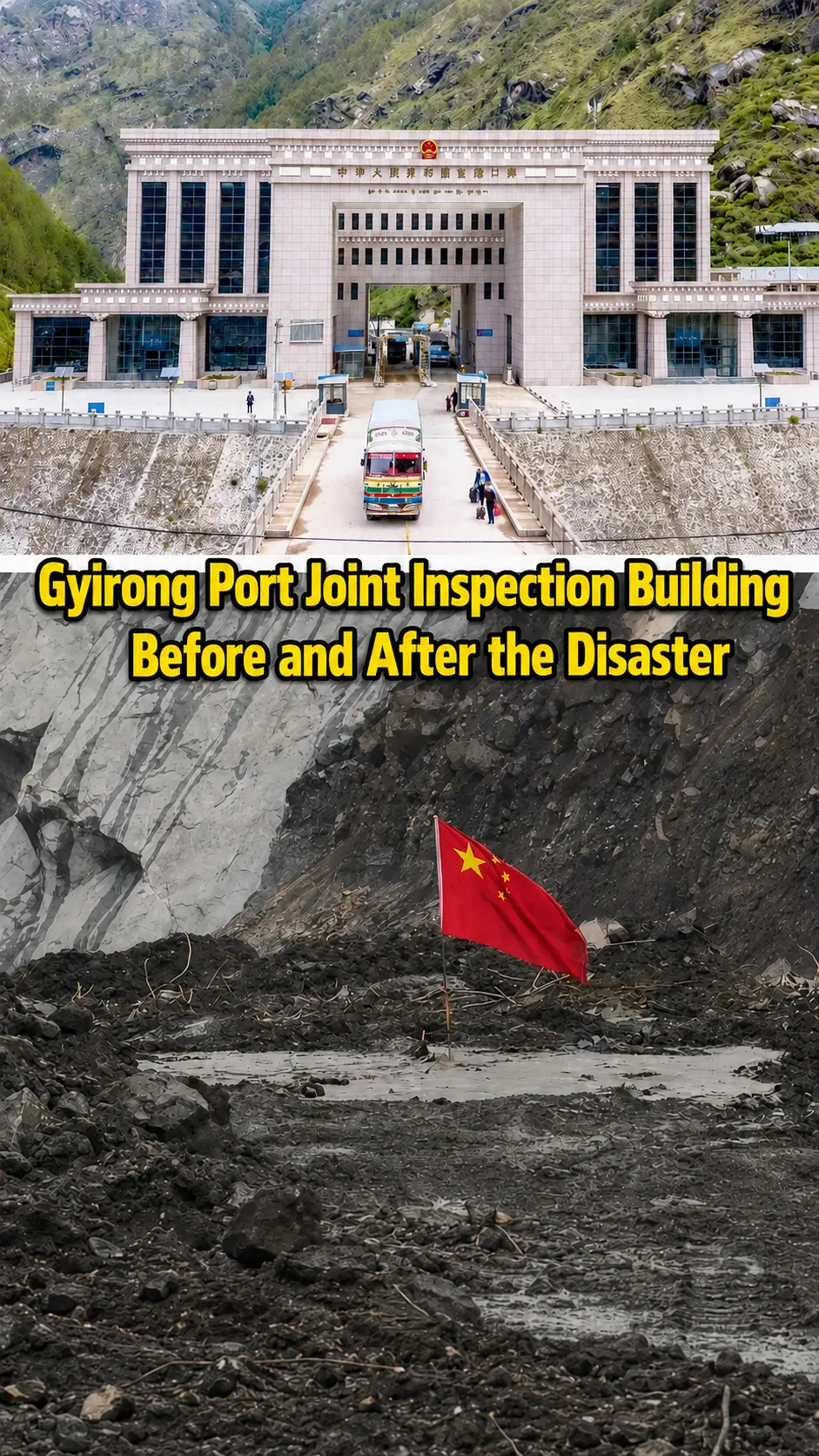
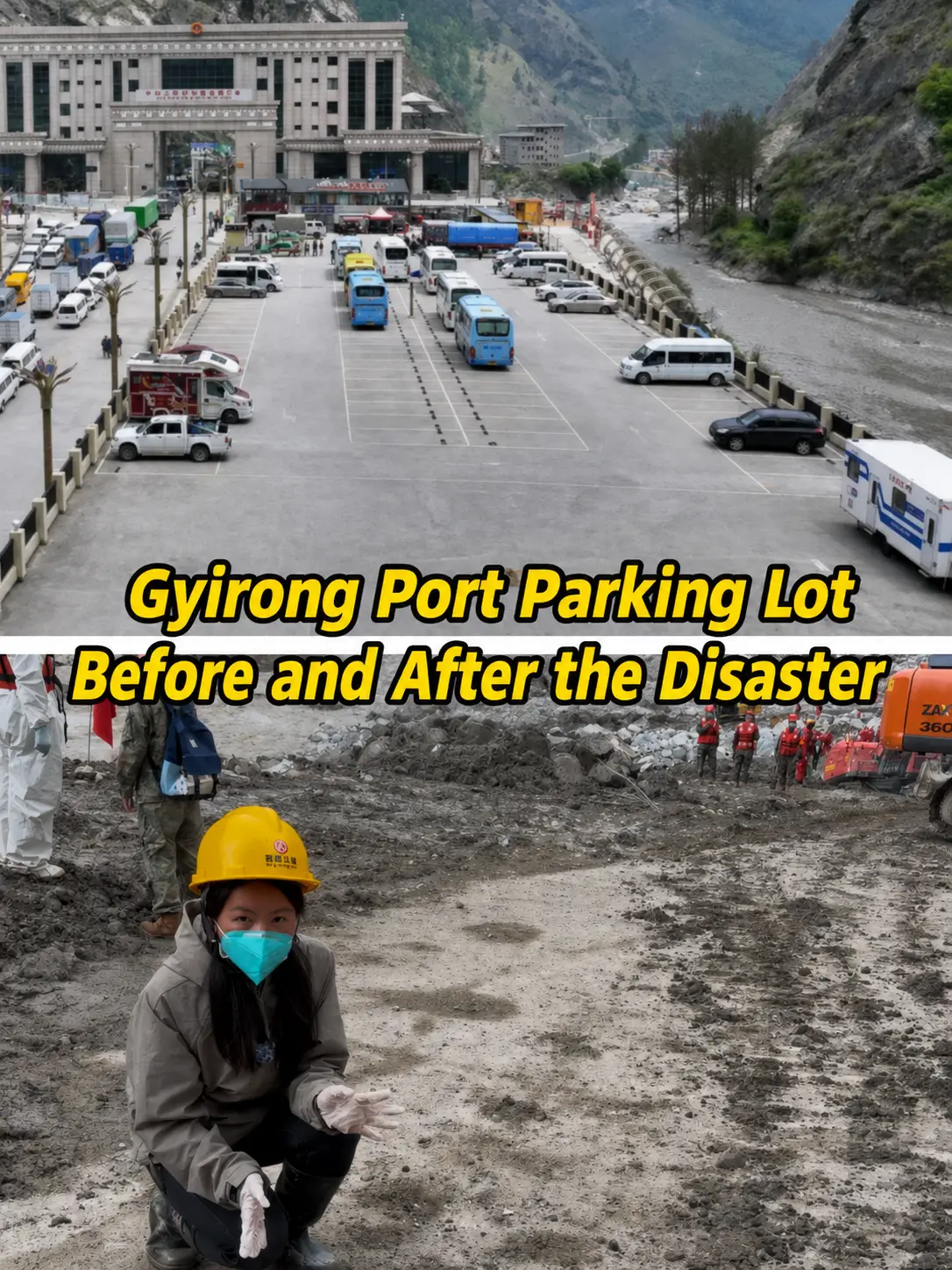
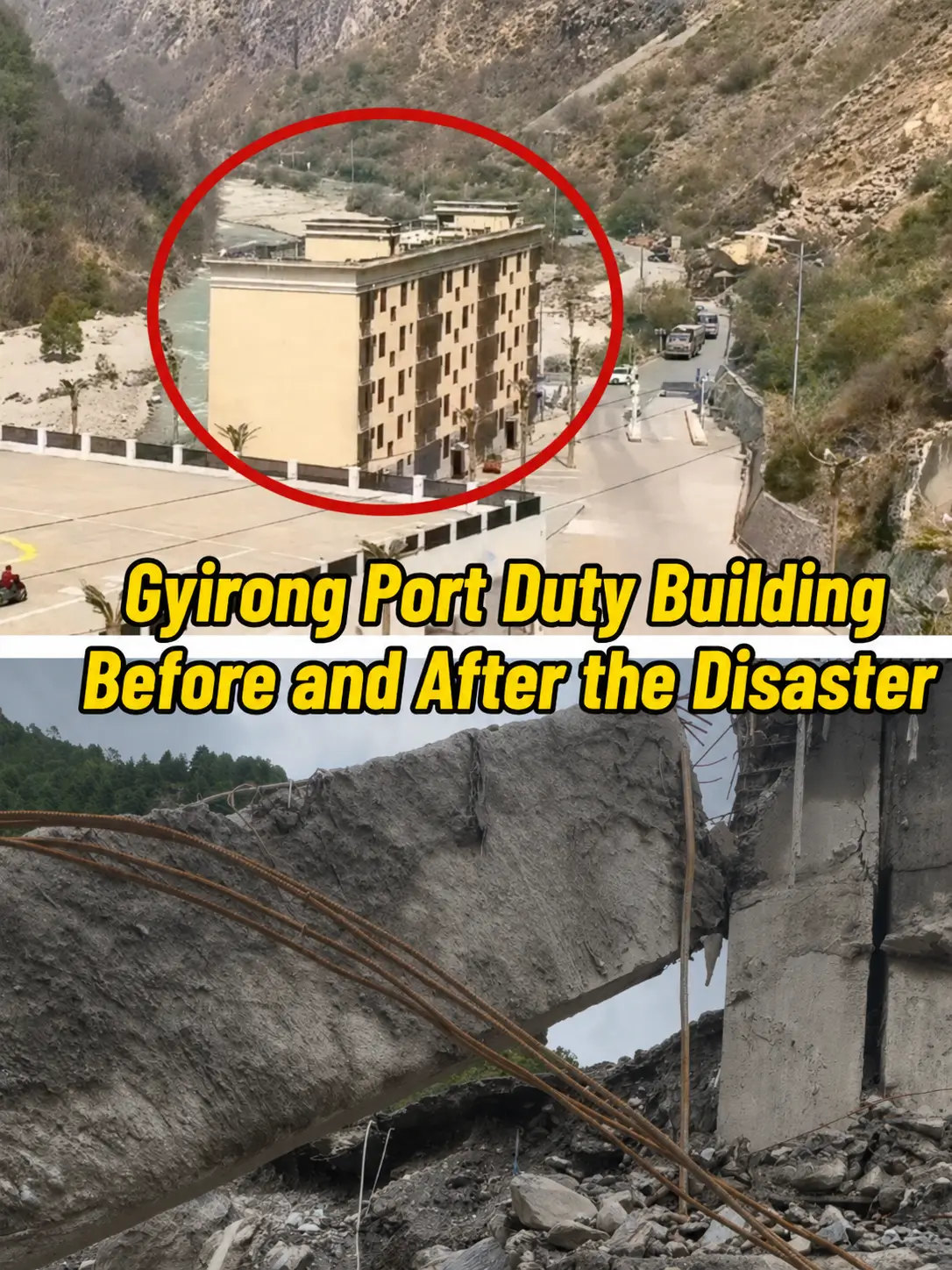
Gyirong Port After August 26: A Very Different Scene
Photographs from the disaster area show roads buried beneath mud and debris, damaged roadbeds and heavy machinery working through difficult mountain terrain.
In the first days after the disaster, even reaching the core area was a challenge.
On August 29, rescue workers were still working through deep mud in some sections. The unstable terrain, damaged roads and continuing risk of secondary geological disasters made the operation particularly difficult.
The recovery then began to move forward.
By September 1, road repairs had reached a point approximately 700 meters from Gyirong Port.
On September 2, rescue access to the core disaster area was essentially restored, allowing more personnel, supplies and heavy equipment to enter.
By September 3, the damaged section of G216 National Highway between Gyirong Town and Gyirong Port had been fully opened for rescue access.
That is a significant step.
But there is an important difference between opening a damaged road for rescue work and reopening an international border for normal tourism.
For travelers, those should not be treated as the same thing.
What Is the Current Situation at Gyirong Port?
As of September 3, 2026, the situation can be understood in three parts:
The road:
The damaged G216 section between Gyirong Town and Gyirong Port has been opened for rescue traffic, allowing larger-scale recovery work to continue.
The disaster area:
Search, rescue and recovery operations are still underway. Authorities continue to monitor the mountain environment and the possibility of secondary disasters.
The border crossing:
The reopening of the rescue road should not be interpreted as confirmation that normal international passenger and tourist services have resumed.
This is currently the most important point for anyone planning a Nepal–Tibet journey.
Where Does the Rescue Operation Stand?
The scale of the response has been large.
According to the latest official information, more than 2,300 rescue personnel had been deployed by September 2, together with hundreds of rescue vehicles and thousands of pieces of equipment. Teams had searched an accumulated area of approximately 1.59 million square meters.
As of 12:00 on September 2, authorities reported:
- 21 people confirmed dead
- 541 people still missing
- 847 personal belongings recovered
The search and rescue operation remains ongoing, so these figures should not be regarded as a final assessment of the disaster.
Emergency communication facilities have also been installed in the affected area. Weather and geological conditions continue to be monitored because heavy rain, landslides and other secondary hazards remain concerns during the recovery period.
What About the Barrier Lake?
One of the concerns after the mudslide was the formation of a barrier lake upstream of Gyirong Port.
A barrier lake can create another danger if water accumulates behind debris and is released suddenly downstream.
According to the latest official assessment, the barrier lake above Gyirong Port has been fully drained, and the immediate associated risk has been brought under control.
This is an important improvement, although it does not mean that the wider disaster area has returned to normal.
Can Foreign Travelers Enter Tibet Through Gyirong Port Now?
Travelers should not currently assume that they can cross the Gyirong Border as normal tourists.
The latest official updates have focused on:
- search and rescue;
- road repair;
- emergency communications;
- disaster monitoring; and
- recovery work.
They have not, by themselves, confirmed the resumption of normal international passenger services.
This distinction is easy to miss when looking at photos or headlines saying that the road has reopened.
Road access for rescue teams is one thing. International border operations for travelers are another.
If you are planning a trip from Nepal into Tibet, I recommend checking the border status again shortly before your planned departure rather than relying on an itinerary prepared before August 26.
What Does This Mean for Nepal–Tibet Tours?
The situation is particularly relevant to travelers planning the classic Kathmandu–Gyirong–Lhasa route.
Gyirong is normally an important gateway for travelers entering Tibet from Nepal. A disruption here can therefore affect:
- Kathmandu to Lhasa tours;
- Nepal–Tibet overland trips;
- Kailash Mansarovar journeys starting from Nepal;
- Everest travel from Nepal into Tibet; and
- transport between Gyirong and other destinations in Tibet.
If your itinerary depends on this border crossing, there are two separate questions to check:
1. Is the road accessible?
2. Is the international border open for passenger travel?
The first question is now seeing significant progress.
The second still needs clear confirmation before travelers should make plans around a normal crossing.
Gyirong Port Before and After the Disaster
| Before August 26 | After the Disaster |
|---|---|
| Functioning international land gateway between Tibet and Nepal | Severely affected by the August 26 mudslide |
| Regular road access between Gyirong Town and the port | Several sections of G216 were damaged or buried |
| Normal border-area infrastructure | Roads, communications and power were disrupted |
| Used by travelers entering Tibet from Nepal | Core area focused on search, rescue and recovery |
| Normal passenger travel environment | Heavy equipment and rescue teams working in the affected area |
| Important gateway for Nepal–Tibet travel | Tourist crossing status still requires official confirmation |
September 3 Update: What Travelers Should Take From This
There has been real progress since the disaster.
The road has been repaired enough to allow rescue teams and heavy machinery to reach the core area. Emergency communications have been restored in stages, and the barrier-lake risk has been brought under control.
But recovery is not the same as reopening for tourism.
If you are watching the Gyirong Port situation because you have an upcoming Tibet trip, the most useful thing to look for now is an official announcement confirming that normal international passenger and immigration services have resumed.
Until then, I would keep some flexibility in your travel plans.
Planning to Enter Tibet from Nepal?
If your trip depends on the Gyirong Border, send us your planned travel date and route.
TibetTrip can help you check the latest situation, explain what the current border status means for your itinerary, and compare practical options with our licensed Tibet operating partner.
The situation is changing day by day, so a route that works on paper may need to be checked again closer to your departure date.
My View From a Traveler’s Perspective
For travelers coming from Nepal, Gyirong is not just a point on a map.
It is where the journey into Tibet changes.
You leave the lower Himalayan valleys behind and begin climbing toward the high plateau. For someone seeing Tibet for the first time, that transition is part of the journey itself.
That is why I have been watching the recovery closely.
At this stage, I would describe Gyirong simply as recovering, but not back to normal.
The road has made an important step forward. Rescue work has reached the core area. Some of the immediate risks have been brought under control.
For travelers, however, the next important announcement is different: when normal passenger border services can safely resume.
Until that happens, it is better to follow confirmed information than to guess from road-opening reports or old tour schedules.
I will update this page when reliable information about the Gyirong Port and Gyirong Border changes.
FAQs on Gyirong Port After the 2026 Disaster
Is Gyirong Port open now?
As of September 3, 2026, the road between Gyirong Town and Gyirong Port has been reopened for rescue access. This does not by itself confirm that normal international passenger and tourist services at Gyirong Port have resumed.
What happened at Gyirong Port?
On August 26, 2026, a major mudslide struck the Gyirong border area after an ice-rock avalanche from a high-altitude glacier on the Nepal side. The disaster caused severe damage to roads and other infrastructure and resulted in significant casualties.
Can I travel from Kathmandu to Tibet through Gyirong?
Travelers should not assume that the Gyirong Border is currently operating as a normal tourist crossing. If you have an upcoming Nepal–Tibet trip, check the latest border status before departure.
Has the road to Gyirong Port been repaired?
Yes. By September 3, the damaged section of G216 between Gyirong Town and Gyirong Port had been opened for rescue access, allowing additional personnel and heavy equipment to reach the disaster area.
Is Gyirong safe for tourists now?
The disaster area remains under recovery and rescue operations. Travelers should not treat the current situation as normal tourism conditions until border access and related services have been officially confirmed.
Will TibetTrip update the Gyirong Border situation?
Yes. TibetTrip will continue to follow reliable official information and update this page when there are meaningful changes affecting Nepal–Tibet travel through Gyirong.